A duplicação do número de mãos de sinais da Libras e seus efeitos semânticos
Resumo
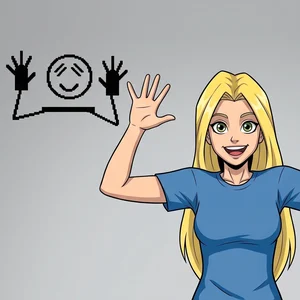
According to Xavier (2006), there are signs in the Brazilian sign language (Libras) that are typically developed with one hand, while others are made by both hands. However, recent studies document the communication, with both hands, of signs which usually use only one hand, and vice-versa (XAVIER, 2011; XAVIER, 2013; BARBOSA, 2013). This study aims the discussion of 27 Libras' signs which are typically made with one hand and that, when articulated with both hands, present changes in their meanings. The data discussed hereby, even though originally collected from observations of spontaneous signs from different Libras' users, have been elicited by two deaf patients in distinct sessions. After presenting the two forms of the selected signs (made with one and two hands), the patients were asked to create examples of use for each of the signs. The results proved that the duplication of hands, at least for the same signal in some cases, may happen due to different factors (such as plurality, aspect and intensity).
Como citar este trabalho
Direitos e uso
Os direitos deste trabalho pertencem aos autores e ao veículo de publicação original. O Libras.com.br cataloga e dá acesso ao documento, mas não define seus termos de uso: antes de reutilizar, copiar ou redistribuir o conteúdo, consulte a licença no repositório de origem.
Ver no repositório de origem